
How Often Should You Get a Drain Inspection
(Drain Inspection Frequency)
Most homes don’t need a drain check every year, but waiting until something breaks isn’t a good idea either. A sensible schedule depends on the age of the property and how the drains behave day to day, along with general upkeep habits like those shared in plumbing tips and tricks UK.
For newer homes, a check every few years is usually enough. Older properties benefit from more regular checks, especially if pipes are made from clay or metal. If you’ve dealt with repeated slow drains, bad smells, or past repairs, an inspection sooner rather than later makes sense.
After heavy rain or flooding, a drain check can also help spot damage that isn’t visible from the surface.
What Happens During a Drain Inspection
(Drain Inspection Process)
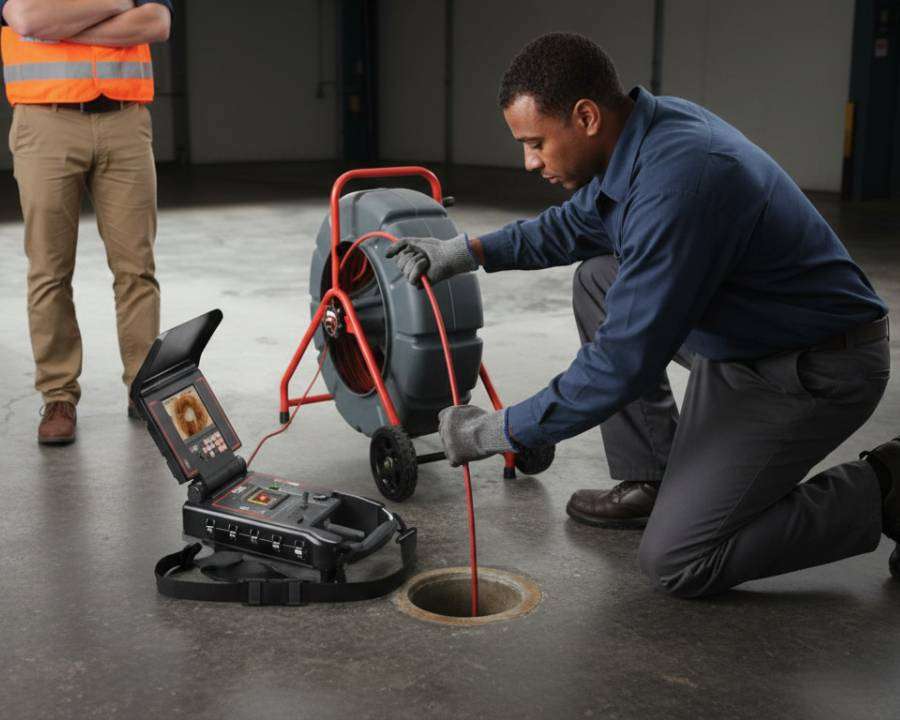
A drain inspection is simple and non-disruptive. A plumber feeds a small camera through the drain opening and guides it along the pipe. The camera sends live footage to a screen, showing the inside of the drain in real time, which can also help when exploring expert plumbing & heating installation services if repairs are needed.
The process usually takes under an hour. There’s no digging, no broken tiles, and no need to turn the house upside down. You can often watch the footage as it happens and ask questions along the way.
After the check, you’ll be told what condition the drains are in and whether anything needs attention now or later.
Signs You Shouldn’t Ignore
(Drain Inspection Warning Signs)
Some drain problems don’t shout for attention—they hint quietly. These signs often mean it’s time for a closer look:
-
Water draining slower than usual
-
Gurgling sounds from sinks or toilets
-
Unpleasant smells that keep coming back
-
Water backing up after using appliances
-
Wet or sinking patches in the garden
Ignoring these signs can lead to bigger repairs that cost far more than an inspection.
Drain Inspection vs Emergency Repairs
(Prevent Costly Drain Repairs)
Planned drain checks and emergency repairs feel very different. An inspection happens on your schedule, with time to think through options. Emergency repairs usually come with stress, mess, and higher bills.
When a drain collapses or blocks completely, repairs often involve digging, pipe replacement, and damage to floors or landscaping. Spotting problems early keeps fixes smaller and more manageable.
A short inspection can help avoid late-night call-outs and unexpected damage.
Tree Roots and Ground Movement
(External Drain Damage)
Tree roots are one of the most common causes of broken drains. They grow toward moisture and can slip through tiny cracks in pipes. Over time, those cracks widen and lead to blockages or breaks.
Ground movement from weather changes can also shift pipes, especially in older homes. A camera check shows whether pipes are still lined up properly or starting to separate.
Knowing this early helps you plan repairs before pipes fail completely.
Drain Inspection FAQs
How long does a drain inspection take?
Most checks are finished within 30–60 minutes.
Will it damage my property?
No. The camera goes through existing access points, so there’s no digging.
Do I get proof of what was found?
Many plumbers can share images or video from the inspection.
Is it worth it for a newer home?
Yes. Even newer properties can have installation issues or debris left behind.
When Booking a Drain Inspection Makes Sense
(Book a Drain Inspection)
A drain inspection is worth considering if you want clarity rather than guesswork. It’s helpful before buying a home, after recurring plumbing issues, or when you want to avoid sudden problems.
Speaking with a licensed plumber and booking a simple check can give you a clear picture of your drains and help you avoid unpleasant surprises later.
Our drain inspection services are available across London, including Wembley, Pinner, Greenford, Harrow, Uxbridge, Watford, Ealing, and Hounslow, ensuring rapid response whenever a plumbing crisis occurs.

No comment