1. Know Where Your Stopcock Is
At the initial stage, you need to know how to shut off the water supply quickly in case of a leak or burst pipe.
2. Check for Leaks Regularly
You need to inspect taps, toilets, and visible pipework for drips. Even small leaks can waste hundreds of litres of water annually. It’s better to be vigilant to understand where the leaks are occurring.
3. Avoid Pouring Fat Down Drains
One of the most important plumbing tips and tricks UK plumbers recommend is never disposing of cooking oil or grease down the sink. These will cause severe pipe blockages, which will lead to expensive plumbing, sewage and septic failures.
4. Use Drain Strainers
Install strainers in sinks and showers to prevent hair, food, and debris from causing blockages. Large objects cannot pass through these strainers, only water can.
5. Bleed Your Radiators
Bleed radiators by turning off the heating and letting them cool completely. Cold spots on radiators reduce heating efficiency. Bleeding them annually helps maintain optimal performance.
6. Insulate Exposed Pipes
Exposed, unheated, or outside water pipes should be insulated to prevent freezing, energy loss, and bursts. Insulation prevents pipes from freezing during UK winters and reduces the risk of bursts.
7. Don’t Ignore Slow Drains
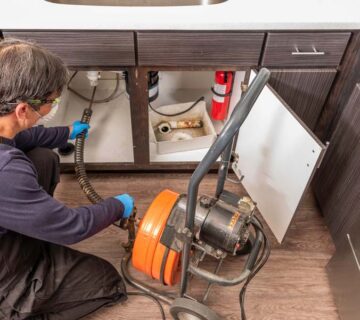
Slow drainage often signals a developing blockage. Ignoring slow drains can lead to full blockages, worsened clogs, and costly repairs. Address it early with safe methods or professional help.
8. Test Water Pressure
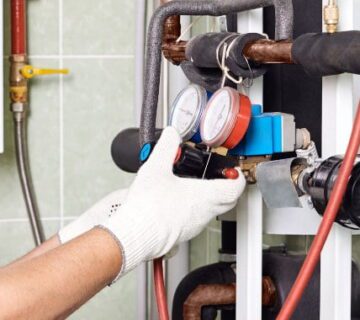
A water pressure test uses a gauge on an outdoor spigot to measure the force and flow of water in your house. Excessively high water pressure can damage appliances and pipes. Use a pressure gauge to stay within safe limits.
9. Service Your Boiler Annually
To guarantee safety, uphold manufacturer warranties, and maximise efficiency, boiler servicing must be done annually by a qualified engineer, this is best done in the fall. Annual boiler servicing improves efficiency, safety, and compliance with UK regulations.
10. Flush Only Toilet Paper
The only paper product designed to work with the sanitary sewer system is toilet paper. Wet wipes, cotton pads, and sanitary products cause major blockages, even if labelled “flushable”.
11. Clean Showerheads
The only paper product designed to work with the sanitary sewer system is toilet paper. Limescale build-up is common in UK homes. Soak showerheads in vinegar to maintain a strong water flow.
12. Check Outdoor Taps
Check outdoor taps regularly, preferably once a month, by visually inspecting them for leaks, rust, or cracks and testing them for smooth operation. Mainly before winter, drain and isolate outdoor taps to prevent freezing and cracking.
13. Listen for Unusual Noises
Unusual plumbing sounds, such as banging, hissing, or gurgling, frequently point to vent blockages, loose pipes, or high water pressure (water hammer). These noises frequently indicate structural problems like loose pipes, trapped air, or high water pressure.
14. Maintain Your Washing Machine Hoses
Inspect hoses annually and replace them every five years to avoid sudden leaks. The hose needs to be kept dry, clean, and free of moisture and mildew.
15. Know When to Call a Plumber
Some jobs, such as gas work or major pipe repairs, should always be handled by certified professionals. Plumbing emergencies like burst or frozen pipes, sewage backups, low water pressure, no hot water, or unexplained and persistent leaks should be repaired by an experienced plumber. JH Plumbing and Heating provides reliable plumbing installation and replacement services you can trust.
16. Avoid Chemical Drain Cleaners
Chemical drain cleaners should be avoided because they are toxic, highly corrosive, and can severely damage plumbing, particularly older pipes and PVC. These can damage pipes over time. Use mechanical methods or professional drain cleaning instead.
17. Keep an Eye on Water Bills
Monitoring consumption for unexpected spikes, quickly repairing leaks, and implementing water-efficient practices are all necessary to keep an eye on water bills. Unexpected increases may indicate hidden leaks within your property. Drought-tolerant landscaping, low-flow fixtures, and smart meters can all drastically cut expenses.
18. Check Toilet Cisterns
Toilet cisterns should be checked for leaks by listening for a steady, faint stream of water or hissing. A running toilet can waste thousands of litres of water each year without being obvious.
19. Protect Pipes During Renovations
During renovations, use pipe sleeves or foam insulation to protect against impact, install stud guards to prevent nail punctures, and seal openings to keep debris out. Ensure builders know pipe locations before drilling or cutting into walls or floors.
20. Schedule Preventative Plumbing Checks
Routine inspections by professionals are one of the smartest plumbing tips and tricks UK homeowners can follow to prevent costly emergencies. JH Plumbing and Heating provides expert preventative plumbing inspections and maintenance services across Ealing, Wembley, Harrow, Pinner, and Greenford, helping homeowners keep their plumbing systems safe, efficient, and reliable all year round.
Why These Plumbing Tips and Tricks UK Homeowners
Preventative plumbing care reduces repair costs, improves energy efficiency, and protects your property value. Following these tips helps avoid unexpected breakdowns and ensures your plumbing system runs smoothly year-round.
Plumber’s Tips FAQs
How often should plumbing be checked in UK homes?
Professional plumbers recommend an annual inspection, especially for older properties.
What causes most plumbing problems in the UK?
Blocked drains, frozen pipes, boiler issues, and poor maintenance are the most common causes.
Are DIY plumbing repairs safe?
Minor tasks like bleeding radiators are safe, but gas and major plumbing work should always be done by certified plumbers.
How can I prevent frozen pipes in winter?
Insulate exposed pipes, keep heating on low during cold spells, and isolate outdoor taps.
When should I call an emergency plumber?
Burst pipes, sewage backups, no water supply, or boiler failure in winter require immediate professional help.

No comment