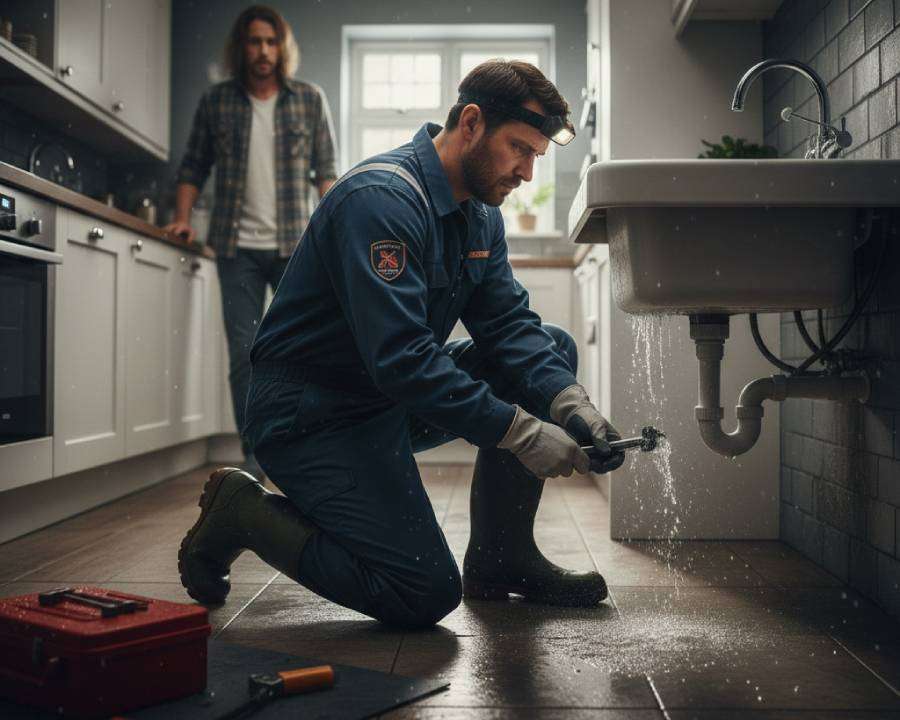
Plumbing problems never happen at a good time. A small leak can turn into a flooded kitchen, and a boiler that worked yesterday can stop right when the weather turns cold. So, what counts as a plumbing emergency in the UK?
In simple terms, it’s an emergency when a problem:
-
Can cause serious damage to your home
-
Puts health or safety at risk
-
Stops you from using water, heating, or sanitation
-
Gets worse fast if you don’t act
Knowing when something happens, why something happens, and what you need to do can save you a lot of money and stress. Our emergency plumbing services are available across London, including Wembley, Pinner, Greenford, Harrow, Uxbridge, Watford, Ealing, and Hounslow, ensuring rapid response whenever a plumbing crisis occurs.
When Something Happens: Common UK Plumbing Emergencies
1. Burst or Leaking Pipes (Very Common in Winter)
In the UK, burst pipes often happen because of freezing weather, old pipework, or high water pressure.
-
What you need to do: Turn off your stopcock straight away (it’s usually under the kitchen sink or near the front door)
-
What you can do: Catch the water with buckets or towels and turn off the boiler if water is near electrics
-
What happens if you don’t do something: Water can damage floors, plaster, electrics, and furniture very quickly
-
Who can do something: A local plumber can repair or replace the damaged pipe
2. No Water in the House
If your taps suddenly stop working, it could be due to a burst pipe, a frozen supply pipe, or a problem with the mains.
-
Why this happens: Cold weather, leaks, or work by the water company
-
What you can do: Check your stopcock and see if neighbours have the same problem
-
What you need: A plumber to find the cause and fix it if it’s inside your property
-
When something happens: If it’s only your home, it’s usually a private plumbing issue
3. Boiler Breakdown (Especially in Cold Weather)
In the UK, most homes rely on a gas boiler for heating and hot water. If it breaks down in winter, this often counts as an emergency.
-
What happens if you don’t do something: Your home can get very cold, pipes can freeze, and damp can start
-
Who can do something: A Gas Safe registered engineer (not just any person)
-
What you can’t do: You shouldn’t try to open or fix a boiler yourself
-
What you need to do: Turn off the boiler and call a professional
4. Blocked Drains or Toilets Backing Up
If waste water is coming back up into your sinks, bath, or toilet, that’s a serious problem.
-
Why this happens: Fat, wipes, or other items stuck in the pipes, or a collapsed drain
-
What you can do: Stop using water straight away
-
What happens if you don’t do something: You can end up with flooding, bad smells, and health risks
-
Who can do something: A plumber or drainage specialist
5. Gas Smell or Suspected Gas Leak
This is always an emergency in the UK.
-
What you need to do: Turn off the gas at the meter if you can, open windows, and leave the house
-
Who can do something: Call the National Gas Emergency Service and then a Gas Safe engineer
-
What you can’t do: Don’t use switches, lights, or anything that could cause a spark
-
When something happens: Treat it as urgent, even if the smell seems faint
What You Can Do Right Away
When an emergency starts, quick action can make a big difference.
-
Turn off the water at the stopcock
-
Turn off the boiler or heating if there’s a leak nearby
-
Move furniture and valuables out of the way
-
Use towels or buckets to limit the spread of water
-
Call a local emergency plumber as soon as you can
This is how to do something useful before the plumber arrives: stop the water or gas, keep people safe, and reduce damage.
What You Can’t Do (And Shouldn’t Try)
Some repairs are not safe for someone without training.
-
Don’t try to fix gas appliances or boilers
-
Don’t keep using water if drains are backing up
-
Don’t ignore leaks, even small ones
-
Don’t take apart pipework you don’t understand
Trying to fix the wrong thing can make the problem worse and cost more to sort out later.
Other Ways to Do Something to Limit Damage
If the situation is under control for the moment, you can:
-
Turn off isolation valves under sinks and toilets
-
Use a temporary pipe repair tape or clamp
-
Keep the heating on low in winter to stop pipes freezing
-
Open cupboard doors to let warm air reach pipes
These steps don’t fix the problem, but they can help reduce damage until help arrives.
What Happens If You Do Something vs If You Don’t
If you act fast:
-
You keep damage to a minimum
-
You lower repair costs
-
You protect your home and belongings
-
The plumber can finish the job faster and more safely
If you don’t act:
-
Water damage spreads
-
Repairs cost more
-
Mould and damp can start
-
Floors, walls, and electrics can be badly damaged
Who Can Do Something the Right Way?
In the UK, you should use:
-
A qualified plumber for water and drainage problems
-
A Gas Safe registered engineer for anything involving gas or boilers
They have the training, tools, and experience to fix the problem properly and make sure everything is safe. Our guide shares 20 Plumbing Tips and Tricks UK Homeowners Can Use to Effectively Maintain Their Property in the event of an emergency plumbing situation, helping prevent costly damage and keep your home safe.
Final Thoughts: How to Know If It’s Really a Plumbing Emergency
Ask yourself:
-
Is this causing damage right now?
-
Is it unsafe to leave it?
-
Will it get much worse if I wait?
If the answer is yes, it’s a plumbing emergency and you should call for help straight away.

No comment